Are LED displays good?
"Are LED displays good?" Let me start by recalling the previous conversation. They first wanted to know what LED displays are, then their invention timeline, and now they're asking if they're good. So they're likely looking for a balanced view to decide whether to use LED displays for their needs.
First, I need to outline the pros and cons. From the history, I know LED displays have evolved a lot. The user might be considering factors like image quality, cost, durability, and application context. Let me list the advantages: brightness, energy efficiency, longevity, contrast, viewing angles, scalability, and versatility in usage. But also the downsides: initial cost, potential pixel issues, heat in some cases, calibration needs, and lower resolution compared to other tech for small screens.
Wait, the user might not be tech-savvy, so I should explain terms like pixel pitch and contrast ratios in simple terms. Also, they might be thinking about specific uses—maybe for a business, like a digital billboard, or a home theater? I should mention different applications where LED shines versus where it might not be the best choice, like smartphones versus large outdoor screens.
I should compare LED with other technologies like LCD and OLED, which were mentioned before. Emphasize that while OLED is better for color accuracy in small screens, LED is better for large, bright environments. Also, note that MicroLED is emerging but still expensive.
They might be worried about costs. Even though LED has lower energy costs, the upfront investment is high, especially for high-resolution displays. Maybe they're a small business owner looking into digital signage and need to know if it's worth it. So I should address cost-effectiveness over time versus initial expense.
Maintenance is another concern. LED displays can have dead pixels, but modular designs help. Mentioning repair ease could alleviate worries about longevity. Also, touch on environmental factors—durability in outdoor settings is a plus.
I should structure the answer with clear pros and cons, then a conclusion that summarizes when LED displays are a good choice. Make sure to highlight that "goodness" depends on the use case. Avoid technical jargon where possible, but still provide enough detail for an informed decision.
Maybe the user is also considering future-proofing their purchase. Mentioning trends like MicroLED could help, but clarify that it's still developing. Reassure them that traditional LED is well-established and reliable.
Check if there are common misconceptions, like assuming all LEDs are the same. Differentiate between traditional LED, OLED, and MicroLED. Since OLED was mentioned earlier, clarify that while OLED is a type of LED display, they have different use cases.
Make sure the answer is balanced. Don't just list features, but explain why each pro or con matters. For example, high brightness is crucial for outdoor visibility, which a billboard owner would care about, while a home user might prioritize contrast ratios.
Also, consider environmental impact. LED's energy efficiency and long lifespan make them eco-friendly compared to older tech, which might be important for some users.
Finally, summarize with scenarios where LED displays are ideal versus when alternatives might be better. This helps the user apply the information to their specific situation.
Are LED Displays Good? A Balanced Analysis
LED displays are highly effective for many applications, but their suitability depends on context. Here’s a breakdown of their strengths and limitations:
Advantages: Why LED Displays Are Great
Brightness & Visibility
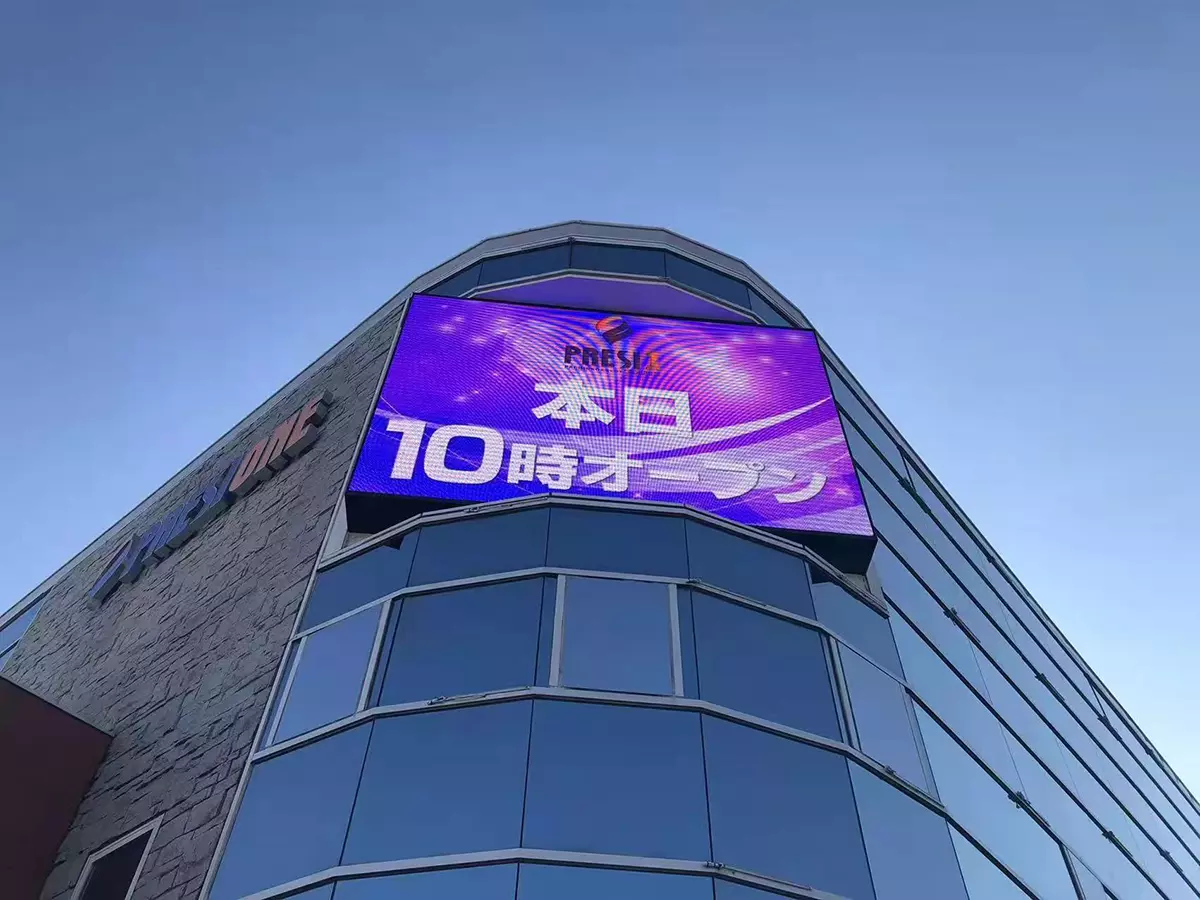
Outdoor Use: Exceptionally bright (up to 10,000+ nits), making them ideal for sunlight-readable billboards, stadiums, and signage.
High Contrast: Individual LEDs can turn off completely, achieving true blacks and vibrant colors.
Energy Efficiency
Consume less power than older technologies like plasma or neon signs, especially with smart dimming features.
Durability & Lifespan
Long-lasting (50,000–100,000 hours) and robust in extreme temperatures, dust, or moisture.
Scalability
Modular design allows seamless assembly of massive screens (e.g., concert stages, airport displays).
Viewing Angles
Wide viewing angles (up to 160°) without color distortion, unlike many LCDs.
Versatility
Used everywhere: TVs, billboards, retail ads, sports arenas, and even transparent displays for store windows.